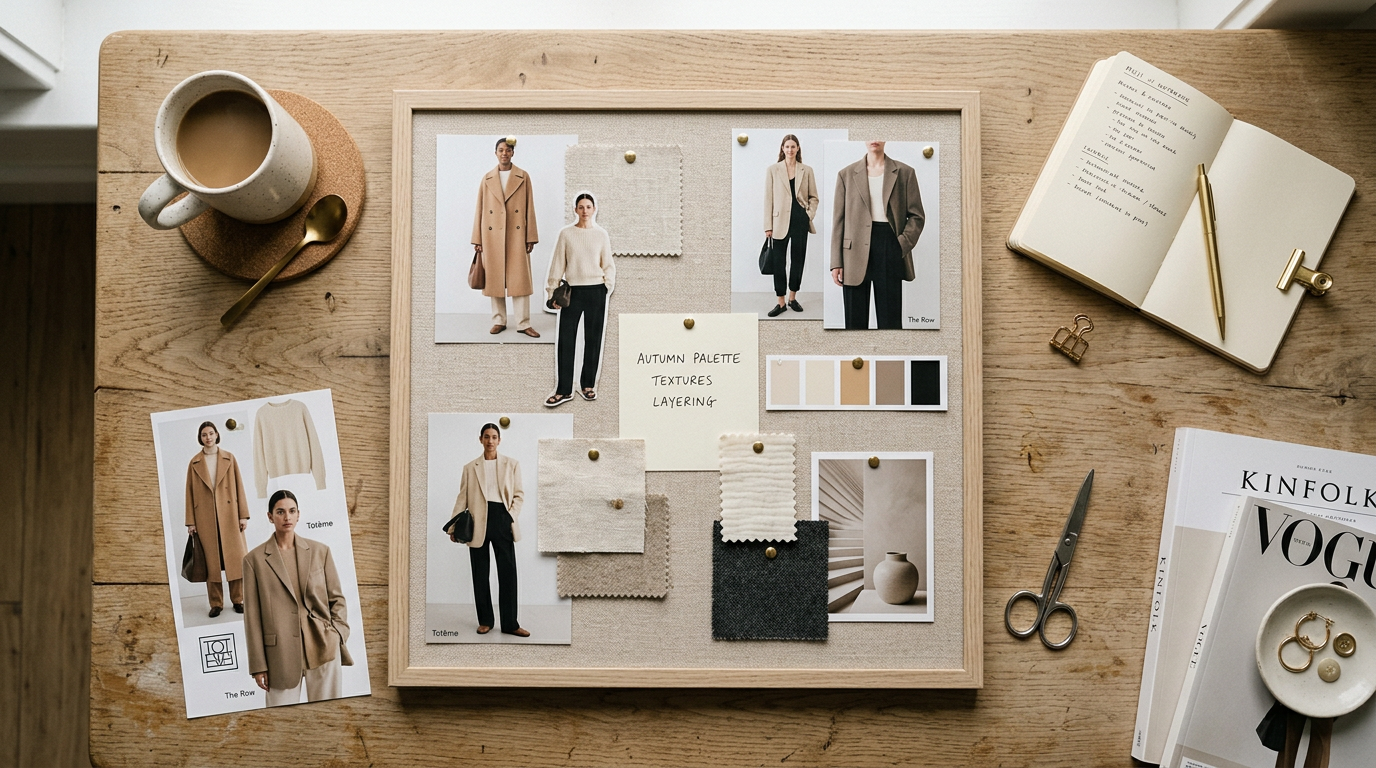
How to Create a Fashion Moodboard Effectively
A fashion moodboard is not merely a collage of images—it is a structured visual tool that translates abstract ideas into a clear design direction. In professional practice, moodboards function as a bridge between concept and execution, helping designers define aesthetics, maintain consistency, and communicate ideas efficiently.
An effective moodboard is selective, intentional, and aligned with a specific outcome. Below is a systematic approach to building one with precision.
1. Define the Concept Clearly
Every moodboard should begin with a focused concept. This can be a theme, a narrative, or a design problem you intend to solve—such as “modern minimal tailoring” or “soft bohemian femininity.”

Avoid vague starting points. A broad idea leads to visual inconsistency. Instead, narrow the scope by defining:
- Target mood (e.g., calm, dramatic, romantic)
- Intended audience
- Seasonal context (FW, SS, etc.)
Clarity at this stage reduces unnecessary visual noise later.
2. Collect References Strategically

The quality of your moodboard depends on the relevance of your references. Instead of gathering random inspiration, curate images that directly support your concept.
Include a controlled mix of:
- Fashion editorials
- Fabric textures
- Color references
- Silhouettes and garment details
- Art, architecture, or photography (for conceptual depth)
The objective is not quantity, but cohesion. A smaller, highly curated selection is significantly more effective than an overloaded board.
3. Build a Cohesive Color Palette

Color is one of the strongest unifying elements in a moodboard. Extract dominant tones from your references and limit your palette to a manageable range (typically 3–6 core colors).
Ensure tonal harmony:
- Stay within a consistent temperature (warm or cool)
- Balance neutrals with accent colors
- Avoid abrupt contrasts unless conceptually justified
A disciplined palette strengthens the overall visual identity.
4. Focus on Silhouette and Form

A moodboard should communicate not only mood, but also structure. Include references that clearly define garment shapes, proportions, and layering logic.
Ask:
- Are silhouettes oversized, fitted, or fluid?
- Is the focus on verticality, volume, or minimal structure?
- How do pieces interact when layered?
This step ensures your moodboard is not purely aesthetic, but also functional for design development.
5. Maintain Visual Balance and Layout

Composition is often overlooked, but it directly affects readability. A well-organized moodboard allows the viewer to process information quickly.
Apply basic layout principles:
- Use negative space intentionally
- Avoid overcrowding
- Align elements for a clean visual flow
- Prioritize key images (hierarchy)
Think of the moodboard as a designed surface, not a random pinboard.
6. Add Texture and Material Direction

Fabric and texture define how a concept feels in reality. Without them, a moodboard remains abstract.
Include close-up visuals of:
- Fabrics (wool, silk, denim, knit)
- Surface details (matte, glossy, rough, soft)
- Construction elements (stitching, layering, finishes)
This adds depth and supports the transition from idea to product.
7. Edit Ruthlessly

The final step is refinement. Remove any image that does not clearly support the concept—even if it is visually appealing on its own.
A strong moodboard is concise and intentional. Redundancy weakens clarity. Each element should have a purpose within the overall narrative.
…
Creating a fashion moodboard effectively requires more than visual taste—it demands discipline, selection, and strategic thinking. When constructed properly, a moodboard becomes a decision-making tool, guiding everything from silhouette development to color choices and final styling.
For designers, this process is not optional. It is a foundational step that determines the coherence and strength of the final outcome.
Leave a Reply